
Stay Ahead of the Threat Landscape
Get weekly cybersecurity briefings covering major threats, strategic developments, and the trends shaping technology, security, and industry.
.png)
Breaking: NSA advises regular router reboots
Cloud Security Alliance Warns CISOs to Prepare for AI-Powered Cyberattacks
The AI Boom Is Turning Energy Into a Consumer Issue
As AI Spending Surges, Chip Prices Ripple Into Daily Life
Breaking: NSA advises regular router reboots
Cloud Security Alliance Warns CISOs to Prepare for AI-Powered Cyberattacks
The AI Boom Is Turning Energy Into a Consumer Issue
As AI Spending Surges, Chip Prices Ripple Into Daily Life
Breaking: NSA advises regular router reboots
Cloud Security Alliance Warns CISOs to Prepare for AI-Powered Cyberattacks
The AI Boom Is Turning Energy Into a Consumer Issue
As AI Spending Surges, Chip Prices Ripple Into Daily Life
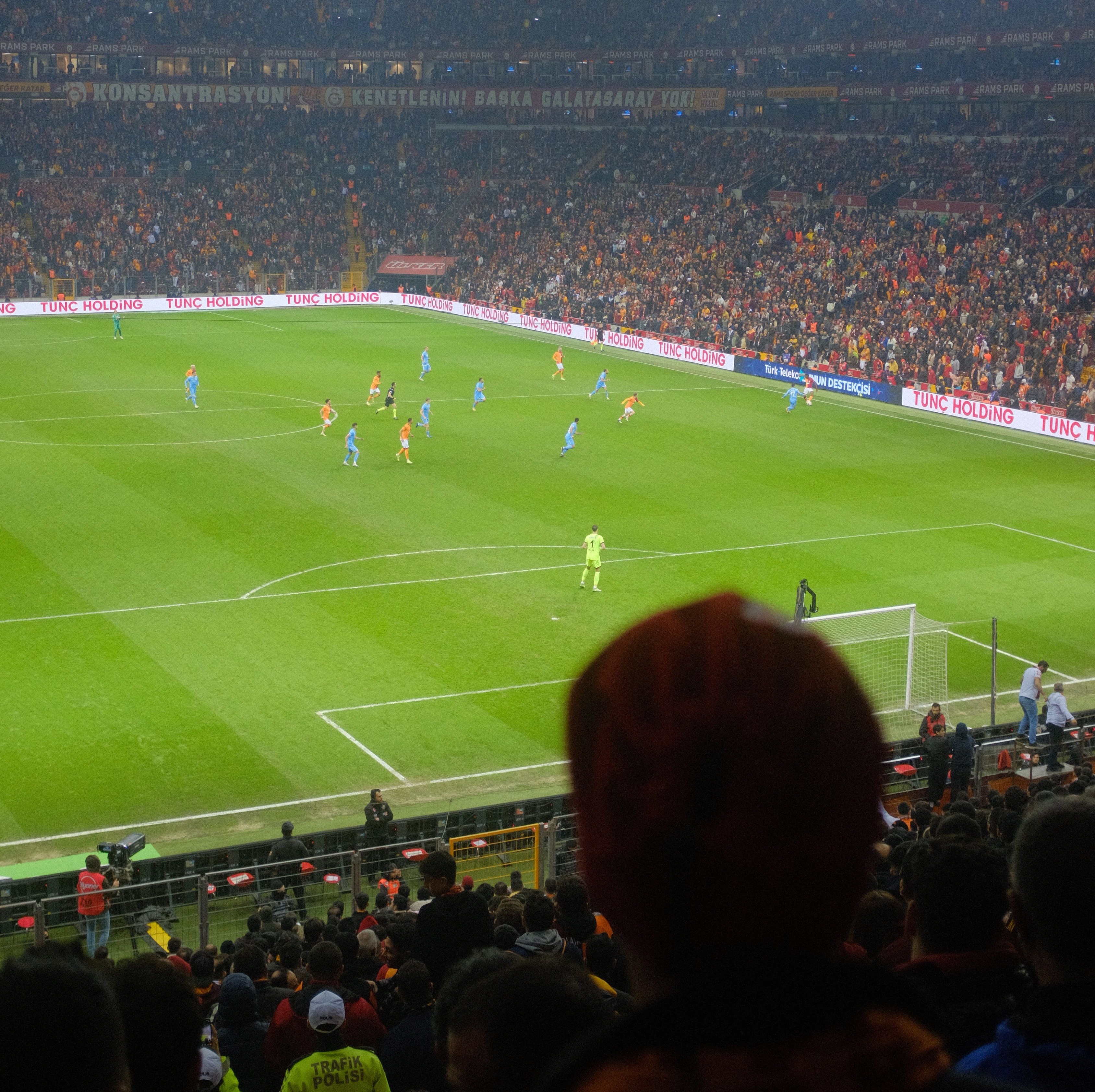
The 2026 FIFA World Cup has become a major target for cybercriminals because it combines global attention, high ticket demand, travel pressure, and emotional urgency. The FBI warned that threat actors are creating deceptive versions of FIFA’s legitimate website to collect personal information, sell fake World Cup tickets and hospitality products, and potentially support additional malicious activity. The FBI also noted that spoofed websites may use small misspellings, alternate top-level domains, or fake subdomains to impersonate official FIFA pages.
The technical risk-flow is straightforward but effective: a fan searches for tickets, travel, merchandise, streaming access, or visa help; a fake domain, sponsored ad, QR code, or social media post leads them to a convincing page; the page collects payment data, login information, passport details, or other personal information. WIRED reported that more than 13,000 FIFA-themed domains were registered between January and May 2026, with roughly one in 41 already identified as suspicious or malicious by early May.
The reason this is important is that the scams no longer rely only on obvious red flags. Poor grammar, broken layouts, and suspicious-looking emails are becoming less reliable warning signs. WIRED reported that AI-generated websites, deepfake videos, fabricated audio, and convincing phishing campaigns are making it easier for criminals to impersonate legitimate organizations during the tournament cycle.
FortiGuard Labs reported that it identified counterfeit ticketing sites mimicking official FIFA pages and collecting personal information, login details, billing data, and payment information. In one case, FortiGuard Labs said a domain registered in May 2026 replicated FIFA content and used a fake checkout process to harvest sensitive information from victims.
The industry significance is that major public events now create temporary scam economies. Malwarebytes reported that World Cup-themed impersonation sites were targeting fans across ticketing, telecoms, sticker publishers, toy manufacturers, immigration services, and crypto projects. The broader pattern is brand abuse: scammers borrow trust from FIFA, host countries, sponsors, licensed products, and official-looking tournament language to make the fraud feel familiar.
The user impact is practical. A fan may think they are buying a ticket, paying for a hotel package, applying for tournament travel help, buying merchandise, scanning a QR code, or entering a giveaway. In reality, they may be sending money to a fake seller, entering card details into a phishing page, giving away passport data, or creating an account on a fraudulent site.
Users can protect themselves by typing official domains directly, avoiding links from unsolicited messages, checking URLs carefully, avoiding peer-to-peer payments to unknown sellers, using credit cards when possible, and treating huge discounts or countdown timers as warning signs. Malwarebytes specifically warns that pressure tactics like countdown timers, extreme discounts, and vague “official” language should make users stop and verify from the official source before paying.
Cybersecurity professionals should monitor typosquatting, brand impersonation, fake ticketing pages, QR-code abuse, paid search abuse, social media impersonation, credential-harvesting panels, payment-form phishing, and look-alike domains. The defender takeaway is that major events should be treated as predictable fraud windows, not random spikes in scam activity.
CVE number: Not applicable. This is a phishing, fraud, and brand-impersonation risk, not a CVE-tracked software vulnerability.
CVSS score / severity: Not applicable. Severity depends on user exposure, payment theft, credential capture, passport or PII exposure, and scale of impersonation infrastructure.
Sources: FBI IC3, WIRED, FortiGuard Labs, and Malwarebytes reporting on FIFA World Cup 2026 scams, spoofed domains, fake ticketing pages, and event-themed fraud infrastructure.



Get weekly cybersecurity briefings covering major threats, strategic developments, and the trends shaping technology, security, and industry.
Breaking: NSA advises regular router reboots
Cloud Security Alliance Warns CISOs to Prepare for AI-Powered Cyberattacks
The AI Boom Is Turning Energy Into a Consumer Issue
As AI Spending Surges, Chip Prices Ripple Into Daily Life
Breaking: NSA advises regular router reboots
Cloud Security Alliance Warns CISOs to Prepare for AI-Powered Cyberattacks
The AI Boom Is Turning Energy Into a Consumer Issue
As AI Spending Surges, Chip Prices Ripple Into Daily Life
Breaking: NSA advises regular router reboots
Cloud Security Alliance Warns CISOs to Prepare for AI-Powered Cyberattacks
The AI Boom Is Turning Energy Into a Consumer Issue
As AI Spending Surges, Chip Prices Ripple Into Daily Life