
Stay Ahead of the Threat Landscape
Get weekly cybersecurity briefings covering major threats, strategic developments, and the trends shaping technology, security, and industry.
.png)
Breaking: NSA advises regular router reboots
Cloud Security Alliance Warns CISOs to Prepare for AI-Powered Cyberattacks
The AI Boom Is Turning Energy Into a Consumer Issue
As AI Spending Surges, Chip Prices Ripple Into Daily Life
Breaking: NSA advises regular router reboots
Cloud Security Alliance Warns CISOs to Prepare for AI-Powered Cyberattacks
The AI Boom Is Turning Energy Into a Consumer Issue
As AI Spending Surges, Chip Prices Ripple Into Daily Life
Breaking: NSA advises regular router reboots
Cloud Security Alliance Warns CISOs to Prepare for AI-Powered Cyberattacks
The AI Boom Is Turning Energy Into a Consumer Issue
As AI Spending Surges, Chip Prices Ripple Into Daily Life
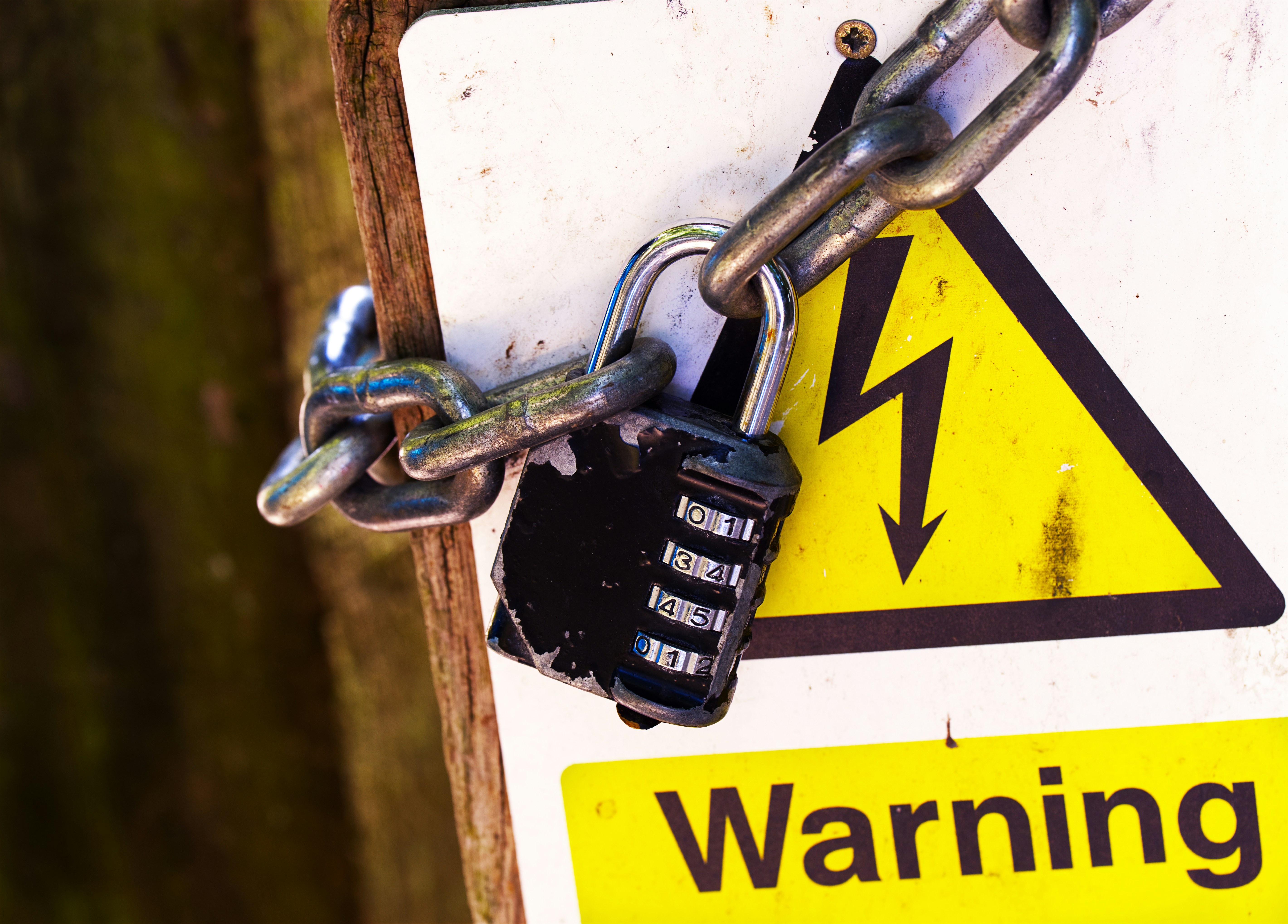
Sweden publicly blames a pro-Russian group for attempting to disrupt a thermal power plant, highlighting rising nation-state pressure on civilian infrastructure.
2. Summary of the event
Swedish officials said a pro-Russian hacking group attempted to breach and disrupt operations at a thermal power plant in western Sweden. Authorities linked the actor to Russian security and intelligence interests and framed the incident as part of a broader pattern of pressure against European critical infrastructure. This is a nation-state story, but it also affects personal life because energy infrastructure attacks can disrupt heating, water, utilities, and public confidence.
3. Technical details
Public reporting says the attempted disruption targeted operational technology associated with a Swedish thermal power facility. The attack reportedly did not succeed because of built-in security mechanisms. Swedish officials drew parallels to other recent incidents across Europe involving Russian-aligned activity against utilities and essential infrastructure. Technical specifics such as malware family, initial access vector, and specific exploited assets have not been publicly released.
4. CVE number (if available)
No CVE has been publicly linked to this incident.
5. CVSS score / severity (if available)
No CVSS score applies because no publicly disclosed software flaw is attached to the event.
Analyst severity assessment: Critical strategic severity, because attempted disruption of energy infrastructure can directly affect civilian life and represents a classic escalation path in hybrid conflict. This is an analytic assessment, not a CVSS score.
6. Affected software / vendor
Affected sector: Swedish energy / thermal power infrastructure.
No vendor, product, or plant-control software details have been publicly disclosed.
7. Exploit status (active / proof-of-concept / theoretical)
Active. Swedish officials described a real attempted attack, though it was reportedly unsuccessful in disrupting operations.
8. Indicators of compromise
No public technical IOCs have been released.
At a strategic level, relevant indicators include:
9. Mitigation or patch information
The main mitigations implied by public reporting are strong separation between IT and OT environments, resilient fail-safe mechanisms, and active monitoring around critical infrastructure systems. No specific patch or vendor remediation has been publicly issued. The fact that built-in security mechanisms reportedly stopped disruption is itself a significant defensive lesson.
10. Security tools related to detection, mitigation, or analysis
11. Why the event matters in the current threat landscape
This matters because it shows how nation-state cyber activity is increasingly aimed at systems ordinary people depend on, not just ministries or military networks. An attack on a power plant is not abstract. If successful, it can affect heating, utilities, business continuity, and public trust. It is also a reminder that cyber conflict in Europe continues to spill into civilian infrastructure even outside active war zones.
12. Sources



Get weekly cybersecurity briefings covering major threats, strategic developments, and the trends shaping technology, security, and industry.
Breaking: NSA advises regular router reboots
Cloud Security Alliance Warns CISOs to Prepare for AI-Powered Cyberattacks
The AI Boom Is Turning Energy Into a Consumer Issue
As AI Spending Surges, Chip Prices Ripple Into Daily Life
Breaking: NSA advises regular router reboots
Cloud Security Alliance Warns CISOs to Prepare for AI-Powered Cyberattacks
The AI Boom Is Turning Energy Into a Consumer Issue
As AI Spending Surges, Chip Prices Ripple Into Daily Life
Breaking: NSA advises regular router reboots
Cloud Security Alliance Warns CISOs to Prepare for AI-Powered Cyberattacks
The AI Boom Is Turning Energy Into a Consumer Issue
As AI Spending Surges, Chip Prices Ripple Into Daily Life