
Stay Ahead of the Threat Landscape
Get weekly cybersecurity briefings covering major threats, strategic developments, and the trends shaping technology, security, and industry.
.png)
Breaking: NSA advises regular router reboots
Cloud Security Alliance Warns CISOs to Prepare for AI-Powered Cyberattacks
The AI Boom Is Turning Energy Into a Consumer Issue
As AI Spending Surges, Chip Prices Ripple Into Daily Life
Breaking: NSA advises regular router reboots
Cloud Security Alliance Warns CISOs to Prepare for AI-Powered Cyberattacks
The AI Boom Is Turning Energy Into a Consumer Issue
As AI Spending Surges, Chip Prices Ripple Into Daily Life
Breaking: NSA advises regular router reboots
Cloud Security Alliance Warns CISOs to Prepare for AI-Powered Cyberattacks
The AI Boom Is Turning Energy Into a Consumer Issue
As AI Spending Surges, Chip Prices Ripple Into Daily Life
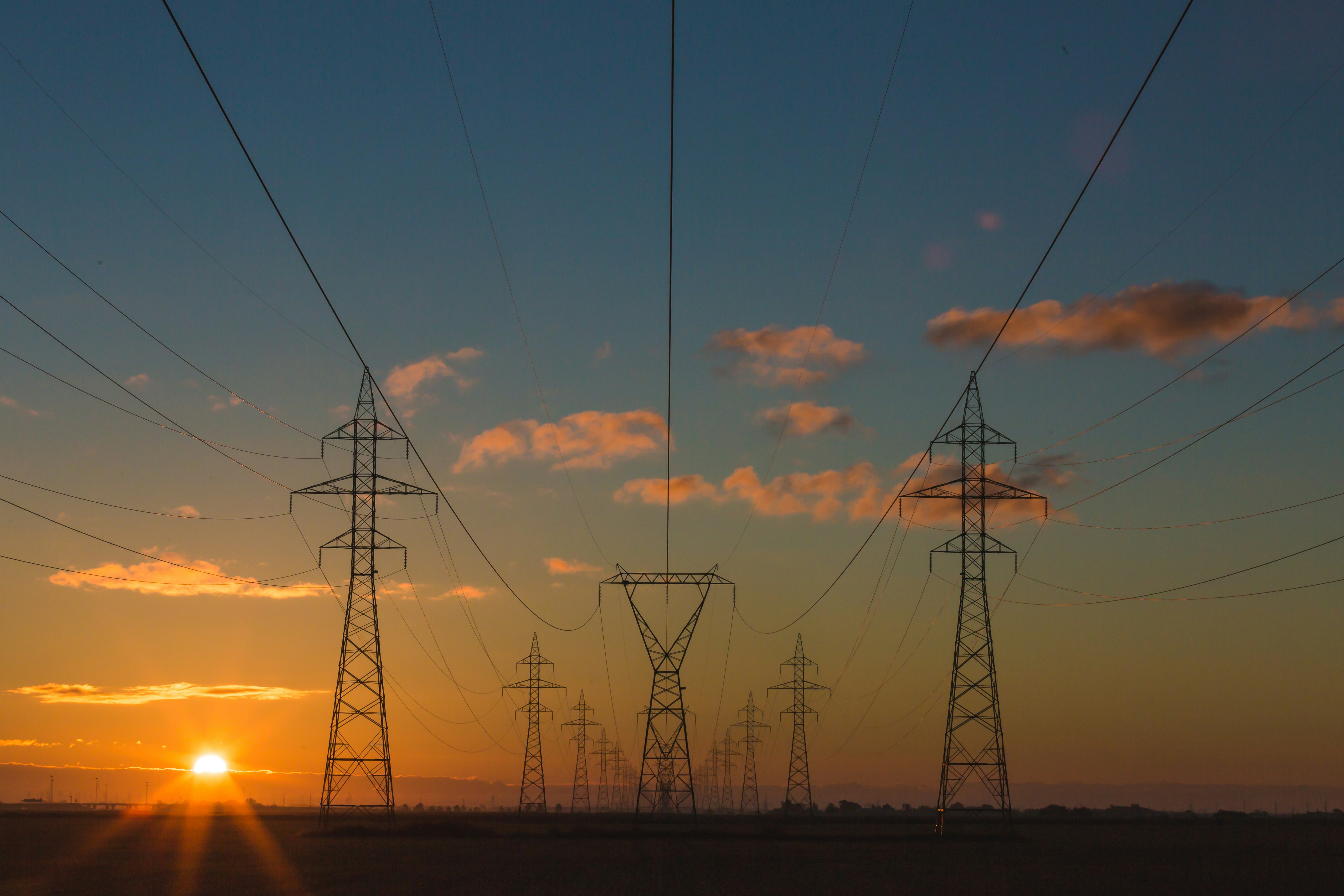
Artificial intelligence is no longer just a software story. It is becoming a power story.
The reason is simple: the data centers that train and run AI systems consume enormous amounts of electricity, and that demand is landing on grids that are already under pressure from population growth, electrification, extreme weather, and, in some markets, higher fossil-fuel prices. The U.S. Energy Information Administration said U.S. power consumption, which already hit a record in 2025, is expected to rise again in 2026 and 2027, with AI and crypto data centers among the main drivers.
That does not automatically mean every power bill spike is “because of AI.” That would be too simplistic. But it does mean AI is becoming one of the clearest new demand shocks in electricity markets, especially in regions competing to attract hyperscale data centers. Reuters reported this week that Maine’s legislature approved a moratorium on new large-scale data centers partly because lawmakers were worried about pressure on the grid and the effect on household electricity costs. The bill would halt approvals for data centers needing more than 20 megawatts through October 2027 while the state studies impacts on electricity prices, water, and air.
The political reaction is getting sharper because this issue is moving from abstract infrastructure talk into personal life. People do not experience “AI power demand” as a chart. They experience it as a higher electric bill, more expensive groceries transported by fuel, or broader inflation when oil and gas costs jump at the same time. Reuters also reported that governments worldwide have been trying to shield households from rising energy costs linked to the current Iran-related energy shock, while the EU is now considering broader fuel and electricity support for affected sectors as oil prices stay elevated.
That intersection matters. When energy and oil are critical, AI-driven electricity demand lands in a market that is already stressed. If oil spikes, transport and heating costs rise. If gas and power markets tighten, utilities need more generation, more transmission, and more capital spending. If regulators let those costs flow through too easily, households can end up subsidizing infrastructure built for data centers rather than their own homes. Reuters reported in March that the White House secured a voluntary pledge from tech companies to bring or buy power for their own data centers, pay for some power-delivery upgrades, and use special electricity rate agreements rather than simply leaning on ordinary ratepayers.
There are already real examples of governments pushing back. Maine is the clearest recent case, using a moratorium to slow development until the state can judge whether the public is being asked to carry too much of the burden. At the federal level in the U.S., the political message has become more direct: if AI needs massive amounts of power, big tech should pay more of the cost. AP reported earlier this year that politicians across party lines were converging on the idea that tech companies, not regular households, should foot the bill for the electricity required by AI infrastructure.
Outside the U.S., governments are also using more traditional consumer-protection tools as energy stress intensifies. Reuters reported that the European Commission is preparing wider state-aid flexibility so governments can help cover fuel and electricity cost increases for exposed sectors. In the UK, debate has also intensified around targeted support rather than blanket relief, including proposals for a “social tariff” aimed at helping lower-income households handle rising power bills.
Local governments are getting more aggressive too. In California, Oakley approved a temporary moratorium on new data centers to buy time to study the electricity and water impact. That kind of municipal resistance shows how quickly AI infrastructure has become a land-use and utility-cost issue, not just a tech investment story.
People themselves are adapting in smaller, more defensive ways. Some are changing appliance usage to off-peak hours where time-of-use pricing exists. Others are installing rooftop solar, home batteries, insulation upgrades, smart thermostats, or simply cutting discretionary power use. Those actions do not solve macro grid stress, but they do reflect a broader shift: households are treating energy as a strategic budget category again, not a passive monthly expense. Reuters noted that some policymakers and international institutions are also urging conservation measures rather than broad untargeted subsidies, especially during supply-constrained shocks.
The bigger story is that AI is changing who gets to claim scarce power first. In Texas, forecasts now show explosive long-term demand growth, with data centers expected to account for the overwhelming majority of large-load demand by 2032. Even if those forecasts prove too high, the direction is clear: AI infrastructure is no longer a marginal consumer of electricity. It is becoming one of the dominant forces shaping power planning, utility politics, and eventually household economics.
The next fight is not whether AI uses a lot of power. That is already settled. The real fight is who pays for the buildout, who gets protected when oil and electricity prices jump, and whether governments can keep the AI boom from turning into a cost-of-living problem for everyone else.
Reuters, “US power use to beat record highs in 2026 and 2027 as AI use surges, EIA says,” April 7, 2026.
EIA, “EIA forecasts strongest four-year growth in U.S. electricity demand since 2000,” January 13, 2026.
Reuters, “Maine legislature approves first US moratorium on big data centers,” April 14, 2026.
Reuters, “Tech giants sign energy pledge at White House ahead of midterms,” March 4, 2026.
Reuters, “Governments worldwide shield households from rising energy costs,” April 7, 2026.
Reuters, “EU plans more fuel subsidies to tackle Iran war price spikes,” April 13, 2026.
AP, “As energy costs rise, everyone wants data centers to pick up the tab,” February 12, 2026.
San Francisco Chronicle, “Bay Area city becomes first to ban data centers over power and water concerns,” April 16, 2026.
San Antonio Express-News, “Texas power demand to more than quadruple by 2032 as data center boom rolls on, ERCOT says,” April 16, 2026.
The Guardian, reporting IMF comments and UK energy-cost response debate, April 16, 2026




Get weekly cybersecurity briefings covering major threats, strategic developments, and the trends shaping technology, security, and industry.
Breaking: NSA advises regular router reboots
Cloud Security Alliance Warns CISOs to Prepare for AI-Powered Cyberattacks
The AI Boom Is Turning Energy Into a Consumer Issue
As AI Spending Surges, Chip Prices Ripple Into Daily Life
Breaking: NSA advises regular router reboots
Cloud Security Alliance Warns CISOs to Prepare for AI-Powered Cyberattacks
The AI Boom Is Turning Energy Into a Consumer Issue
As AI Spending Surges, Chip Prices Ripple Into Daily Life
Breaking: NSA advises regular router reboots
Cloud Security Alliance Warns CISOs to Prepare for AI-Powered Cyberattacks
The AI Boom Is Turning Energy Into a Consumer Issue
As AI Spending Surges, Chip Prices Ripple Into Daily Life